


Quick Answer
Yes! You may need to replace your dental crown if it becomes damaged or loose, causes pain, or develops decay around its edges or underneath. These are common indicators that your crown may no longer be protecting your teeth as well as it should. A visit to your dentist can help uncover what’s going on and determine whether replacement is necessary to keep your teeth healthy and functioning properly.
A dental crown can give a damaged tooth a second chance. Pretty amazing what a little restoration can do, right? From strengthening a weakened tooth to bringing back its natural appearance, dental crowns can make a real difference in your everyday life.
But here’s a question you might not think about right away: “Will I need to replace it someday?” If you’re considering your first crown or have had one for years, it’s worth knowing what to expect. Let’s look at the signs your dental crown may need replacing and why it’s important not to ignore them.
How Long Do Dental Crowns Typically Last?
Most dental crowns last approximately 5 to 15 years, although many remain functional for much longer. How long yours lasts depends on a few factors:
- Crown material: Porcelain, zirconia, metal, and porcelain-fused-to-metal crowns have different levels of strength and wear resistance.
- Tooth location: Crowns on molars generally experience more chewing pressure than those on front teeth.
- Daily habits: Teeth grinding, chewing ice, and biting hard objects can put extra stress on your crown. Your brushing and flossing habits can also make a difference.
All these factors play a part in how well your dental crown holds over the years. But here’s the thing: knowing how long a crown can last is only part of the picture. It’s just as helpful to recognize the changes that might mean it needs attention.
What Are the Signs You Need Dental Crown Replacement?
So, when should you have your dentist take a closer look? Here are five signs worth paying attention to.
Persistent Tooth Pain or Sensitivity
If your dental crown suddenly hurts when you bite down or becomes sensitive to hot and cold foods, don’t brush it off. Persistent discomfort can signal decay, inflammation, or problems with the tooth underneath.
A Loose or Shifting Dental Crown
Your crown should stay firmly in place when you eat or speak, so any movement or shifting is worth checking. This can happen when the dental cement weakens, decay develops underneath the crown, or the underlying tooth becomes damaged. If your crown no longer fits or seals properly, your dentist may recommend replacing it to protect the underlying tooth.
Visible Cracks, Chips, or Excessive Wear
Take a closer look at your dental crown. Do you notice any cracks, chipped edges, or areas that appear noticeably worn down? These visible changes may indicate that your crown is starting to deteriorate. While minor surface damage may not require replacement, larger fractures can weaken the crown and affect its ability to protect your tooth.
Receding Gums or Changes Around the Crown
If you’ve noticed a dark line near your crown or more of your natural tooth showing than before, it may be worth having your dentist take a closer look. A dark line doesn’t always mean your crown needs replacing, as it can sometimes be the metal edge of certain types of crowns. However, receding gums can expose the crown’s edges or underlying tooth, making the area harder to clean and potentially leaving it vulnerable to decay. If the crown’s fit or seal has been compromised, replacing it may be necessary to protect your tooth.
Signs of Decay Around or Under the Crown
Here’s something you might not realize: even with a crown, your natural tooth can still develop cavities. Discoloration near the edges, sensitivity, or an unpleasant taste may be warning signs of a dental problem, although decay can sometimes develop without noticeable symptoms.
An aging or damaged crown isn’t something you want to ignore. If any of these signs sound familiar, it’s worth having your dentist take a closer look before the problem becomes more complicated.
What Happens When a Dental Crown Needs to Be Replaced?
The process is quite similar to your first crown procedure. The main difference is that your dentist will first need to remove the existing crown and check the condition of the tooth underneath.
Here’s what you can generally expect:
- Removing the old crown: Your dentist carefully removes the existing crown. In some cases, it may need to be cut into sections to remove it safely.
- Preparing the tooth: With the old crown removed, your dentist examines the tooth for decay or damage. Any necessary treatment is completed before preparing it for the new crown.
- Taking impressions or digital scans: Your dentist takes measurements of the prepared tooth and surrounding teeth to create a crown that fits your bite.
- Placing the new crown: You may receive a temporary crown while your permanent one is being made. Once it’s ready, your dentist checks the fit and bite before securing it in place.
You can typically return to your normal activities on the same day, although you may experience some temporary sensitivity or mild gum soreness. Your new crown should feel natural once you’ve adjusted to it, so let your dentist know if anything feels uncomfortable or your bite seems uneven.
How Can You Make Your Dental Crown Last Longer?
Getting a crown doesn’t mean you can stop worrying about the tooth underneath it. In fact, caring for a crowned tooth is just as important as caring for your natural teeth.
A few everyday habits can help protect your restoration:
- Brush and floss consistently – Brush twice daily with fluoride toothpaste and clean between your teeth to remove plaque around the crown’s edges.
- Be mindful of hard foods and objects – Avoid chewing ice, biting pens, or using your teeth to open packages.
- Address teeth grinding – If you grind or clench your teeth, ask your dentist if a custom nightguard could help protect your crowns.
- Keep up with dental appointments – Regular examinations allow your dentist to check for wear, changes in fit, and problems with the surrounding tooth and gums.
- Don’t ignore unusual symptoms – New sensitivity, movement, or visible damage should be evaluated rather than left untreated.
The goal is to keep both your crown and the natural tooth supporting it in good condition. Even a well-made crown can develop problems over time, but these small habits can help reduce unnecessary wear and help your restoration last longer.
Frequently Asked Questions
Is Replacing a Dental Crown Painful?
Dental crown replacement is generally performed with local anesthesia when needed, so you may feel pressure during treatment but should not experience sharp pain. Mild sensitivity or soreness afterward is possible and usually improves within a few days.
How Many Times Can a Dental Crown Be Replaced?
There’s no set limit on how many times a dental crown can be replaced. What matters most is having enough healthy tooth structure to support another crown and a tooth that’s healthy enough to restore.
Can a Tooth Be Too Damaged for Another Crown?
Yes, extensive decay, severe fractures, or insufficient remaining tooth structure may make another crown unsuitable. Depending on the condition of the tooth, your dentist may recommend additional restorative treatment or extraction if the tooth cannot be saved.
How Much Does It Cost to Replace a Dental Crown?
The cost of dental crown replacement varies based on the material, tooth location, and any additional treatment required. Your dentist can provide a more accurate estimate after examining the tooth and discussing your restoration options.
Does Dental Insurance Cover Crown Replacement?
Some dental insurance plans cover part of the cost when crown replacement is considered necessary, although coverage varies by policy. Plans may have waiting periods, replacement frequency limits, deductibles, or other restrictions, so it’s helpful to review your benefits before treatment.
Can a Damaged Dental Crown Be Repaired Instead?
Yes, minor chips or surface damage to a dental crown can sometimes be repaired using dental bonding. However, if the crown is severely cracked, broken, or no longer fits properly, replacing it may be necessary to protect the underlying tooth.
Let’s Keep Your Dental Crown in Good Shape
Dental crowns are designed to restore strength and appearance while protecting the natural tooth underneath. With the right care, they can provide lasting support for your everyday smile. And when a crown needs attention, having a team you trust makes all the difference.
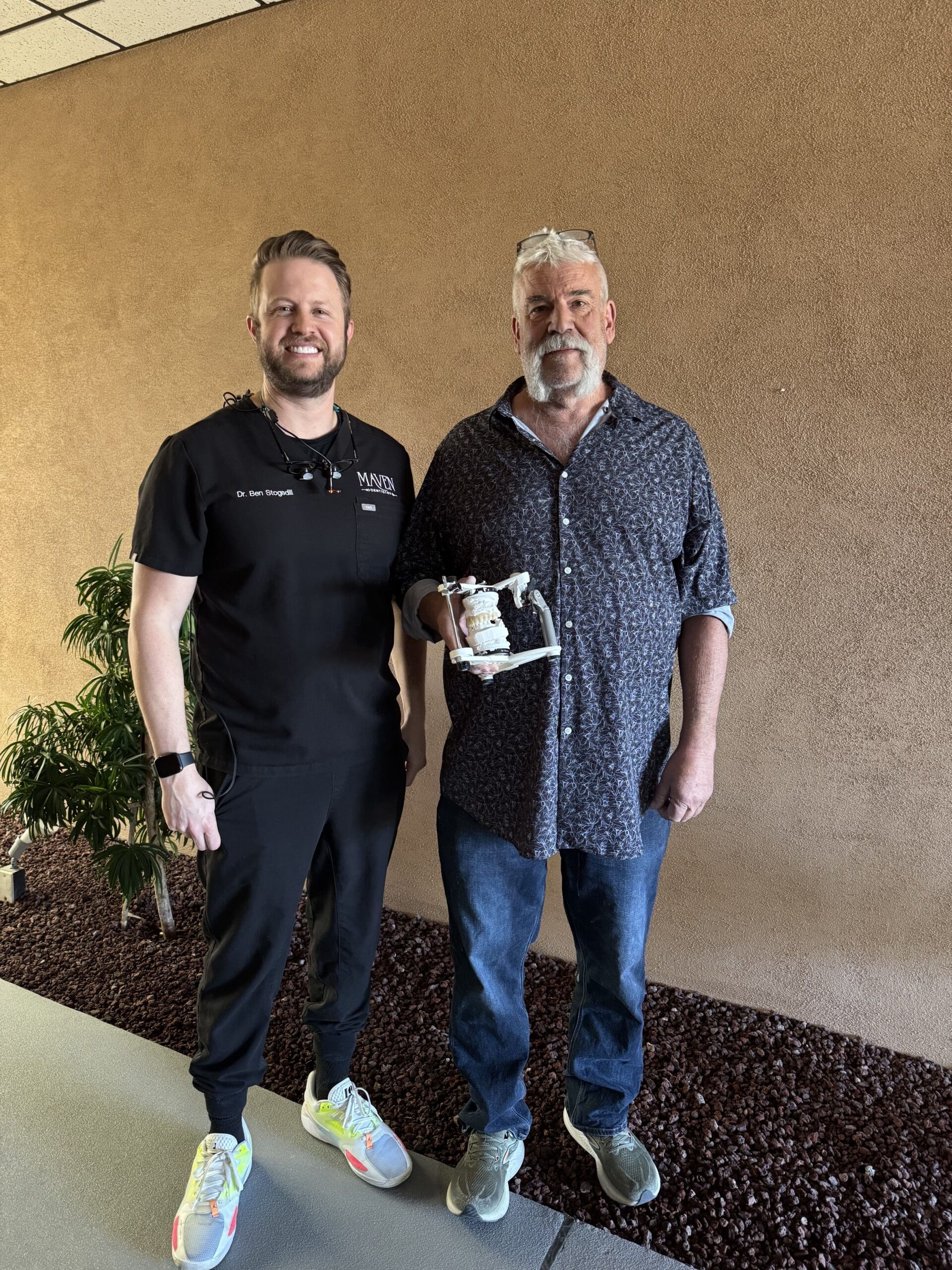
At Maven Dentistry, every detail matters. We take the time to understand your needs and provide personalized restorative care with your long-term oral health in mind. We also partner with a local lab right here in Albuquerque to craft custom dental crowns that match your natural teeth. It’s a partnership we’re proud of!
Learn more about our dental crown services or schedule a visit with our team.
Key Takeaways
- Dental crowns typically last 5 to 15 years, although many last longer with proper care.
- Pain, sensitivity, looseness, visible damage, and decay are signs your crown needs attention.
- Not every damaged crown requires replacement. Some can be repaired or recemented.
- Good oral hygiene, mindful habits, and regular dental visits help extend the life of your crown.


