


Quick Answer
A dental evaluation is the best way to determine whether dental implants are right for you. However, important factors such as healthy gums, enough jawbone to support an implant, good overall health, and a commitment to proper aftercare can affect whether this treatment could work for you.
Losing a tooth can change more than the appearance of your smile. It can affect daily activities, your oral health, and how confident you feel about your smile.
Dental implants offer a way to restore both function and appearance, making them an option worth considering for missing teeth. But before moving forward with dental implants in Albuquerque, it’s important to understand what makes someone a good candidate for treatment.
What Are Dental Implants?
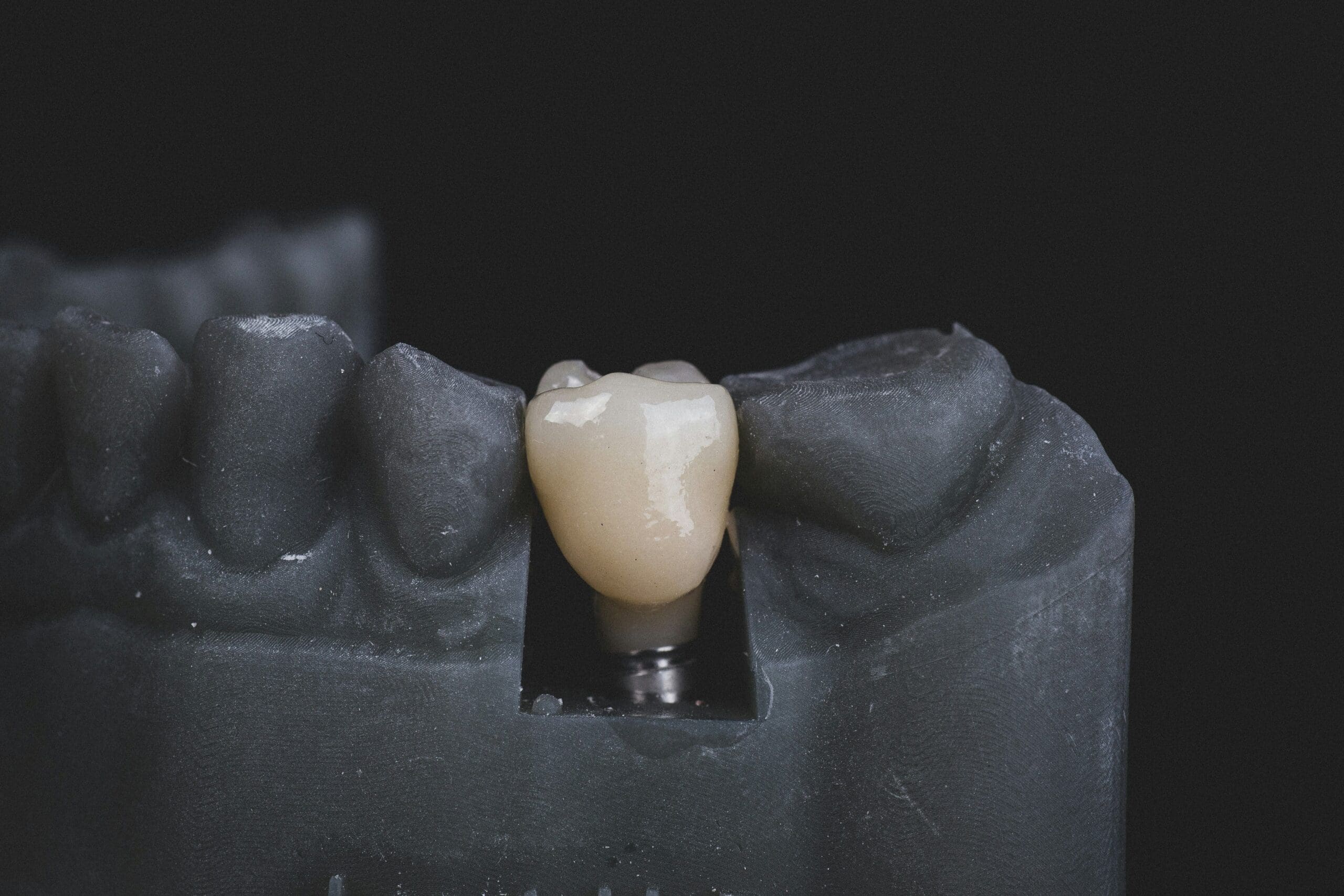
Dental implants are small posts placed into the jawbone to replace the root of a missing tooth. As the area heals, the implant integrates with the surrounding bone to create a stable foundation. A dental crown is then attached to the implant to replace the visible portion of the missing tooth.
Benefits of Replacing Missing Teeth with Implants
Beyond replacing the missing tooth itself, dental implants can offer several benefits:
- Help maintain jawbone: Implants provide stimulation to the bone where a tooth has been lost, helping reduce bone loss over time.
- Protect neighboring teeth: A single-tooth implant does not require adjacent teeth to be used for support, as a traditional bridge typically does.
- Provide a long-term solution: With proper care and regular dental visits, dental implants are designed to provide lasting tooth replacement.
- Look like a natural tooth: The restoration can be shaped and matched to blend with your surrounding teeth.
- Fit into everyday life: Because implants stay in place, there is no need to remove or reposition them during daily activities.
Are You a Good Candidate for Dental Implants?
Several factors can influence whether this treatment is suitable for you. During your evaluation, your dentist will consider factors including:
Healthy Gums
Healthy gums provide an important foundation for implant treatment. If you have active gum disease, your dentist may recommend treating it before moving forward with implant placement.
Enough Jawbone to Support an Implant
The implant needs adequate bone around it for support and stability. If you have experienced bone loss after losing a tooth, your dentist can evaluate how much bone remains and whether additional treatment may be needed before implant placement.
Good Overall Health
Your general health can influence how well your body heals following dental procedures. Your dentist will review your health history, medications, and any conditions that could affect healing when determining whether an implant is appropriate.
Commitment to Good Oral Hygiene
Dental implants require a commitment to proper aftercare and ongoing oral hygiene. Being prepared to follow your dentist’s instructions, care for the implant at home, and keep up with routine dental visits is an important part of supporting successful healing and long-term implant health.
Not meeting every one of these conditions right away does not necessarily rule out dental implants. Some concerns may need to be addressed before treatment. This is why a thorough dental evaluation is important for making an informed decision and determining the right next steps.
Personalized Dental Implant Care at Maven Dentistry
At Maven Dentistry, we take a personalized approach to dental care. From the initial evaluation to the final restoration, your care is planned around your oral health, individual needs, and treatment goals.
Our team combines dental implant care expertise with advanced technology, including digital X-rays and 3D imaging, to carefully evaluate your treatment. With each stage handled in one practice, your care remains coordinated throughout the process.
See how we can help restore your smile with dental implants here in Albuquerque.
Frequently Asked Questions
How painful is getting a dental implant?
The area is numbed before the implant is placed to keep you comfortable during the procedure. Some soreness, swelling, or tenderness is normal afterward, and your dentist will give you instructions for managing discomfort as the area heals.
How long does the dental implant process take?
Getting a dental implant is typically a multi-step process that can take several months from start to finish. Much of that time allows the implant to heal and integrate with the jawbone before the final restoration is placed. Your timeline may be longer if you need a bone graft or another procedure first.
Can I get a dental implant years after losing a tooth?
Yes, a dental implant may still be an option even if you lost the tooth years ago. Because the jawbone can lose volume after a tooth is lost, your dentist will evaluate the area to see whether it can support an implant or if bone grafting may be needed first.
Can dental implants replace several missing teeth?
Yes. Dental implants can replace a single tooth or be used to support a bridge or denture when several teeth are missing. How many implants you need depends on the location of the missing teeth, available bone, and the type of restoration planned.
Does dental insurance cover dental implants?
It depends on your dental plan. Some plans provide benefits for dental implants, while others may exclude them or only cover part of the treatment. Reviewing your benefits before treatment can give you a better idea of what your plan covers and what you may pay out of pocket.
Take the Next Step Toward Dental Implants
If you’re considering dental implants, you don’t have to have everything figured out before coming in. Our team at Maven Dentistry can take a closer look at your smile and help you understand the options available to you. Schedule a visit to learn more.
Key Takeaways
- Dental implants offer a long-term option for replacing one or more missing teeth.
- Healthy gums, adequate jawbone, good overall health, and consistent oral hygiene are important factors in implant candidacy.
- Some concerns, including bone loss or gum disease, may need to be addressed before implant treatment.
- Your dentist can determine the appropriate next steps based on your oral health and individual needs.


